
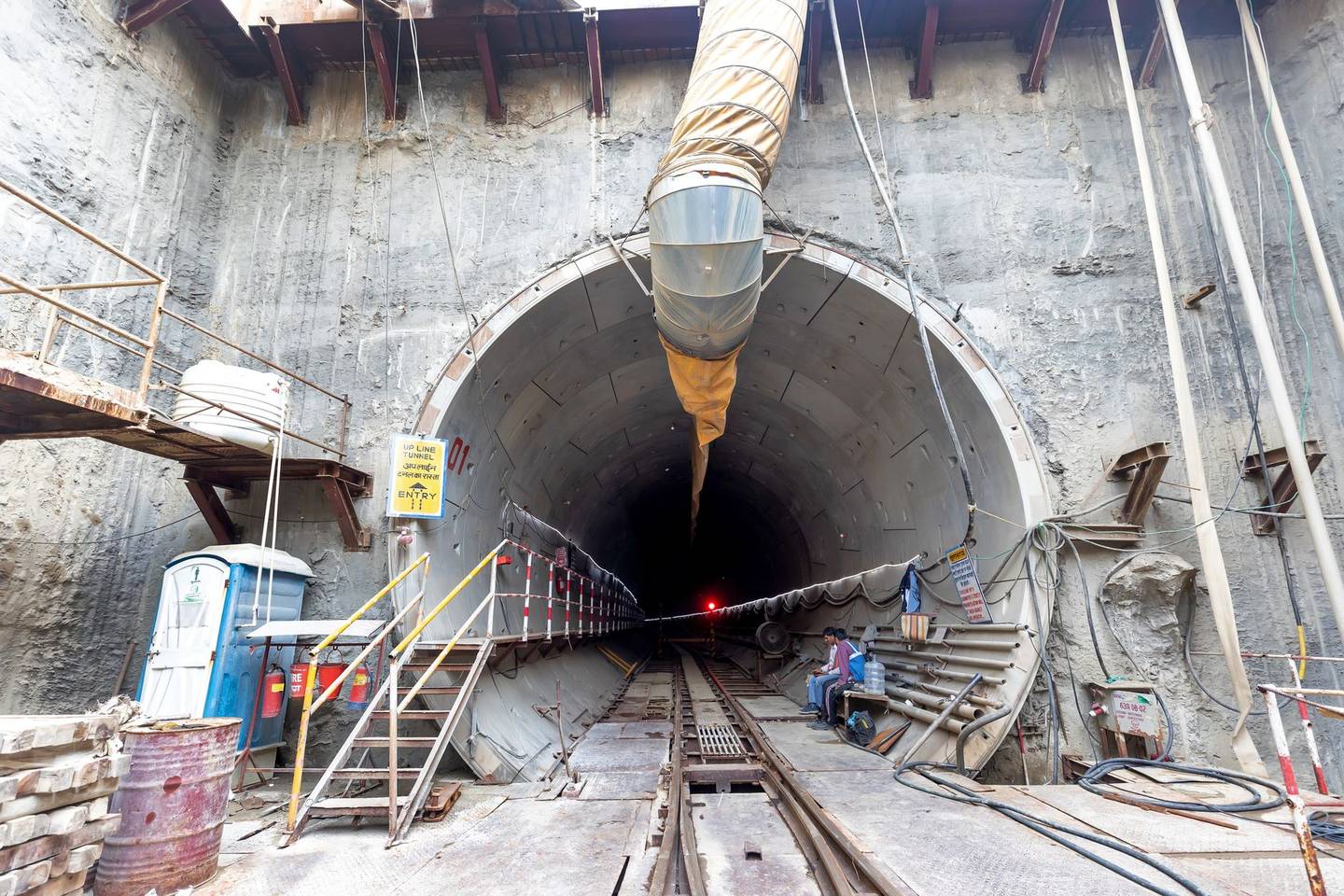
 01Cut-and-cover tunnelsI05-01 · Open evidence and annotated details →
Infrastructure Waterproofing Solutions
Underground Transport & Municipal Infrastructure Waterproofing
Waterproofing for cut-and-cover tunnels, mined tunnels, shield tunnels, metro stations, utility corridors and underground passages. Structural joints, segment interfaces and repair access are considered from the start.
Waterproofing SolutionsInfrastructure Waterproofing SolutionsI05 Underground Transport & Municipal
Application Scope
One system, several project conditions
These application contexts cover the principal project conditions addressed by this system. The final build-up is defined after the substrate, environmental exposure, movement and service requirements are confirmed.
01Cut-and-cover tunnelsI05-01 · Open evidence and annotated details →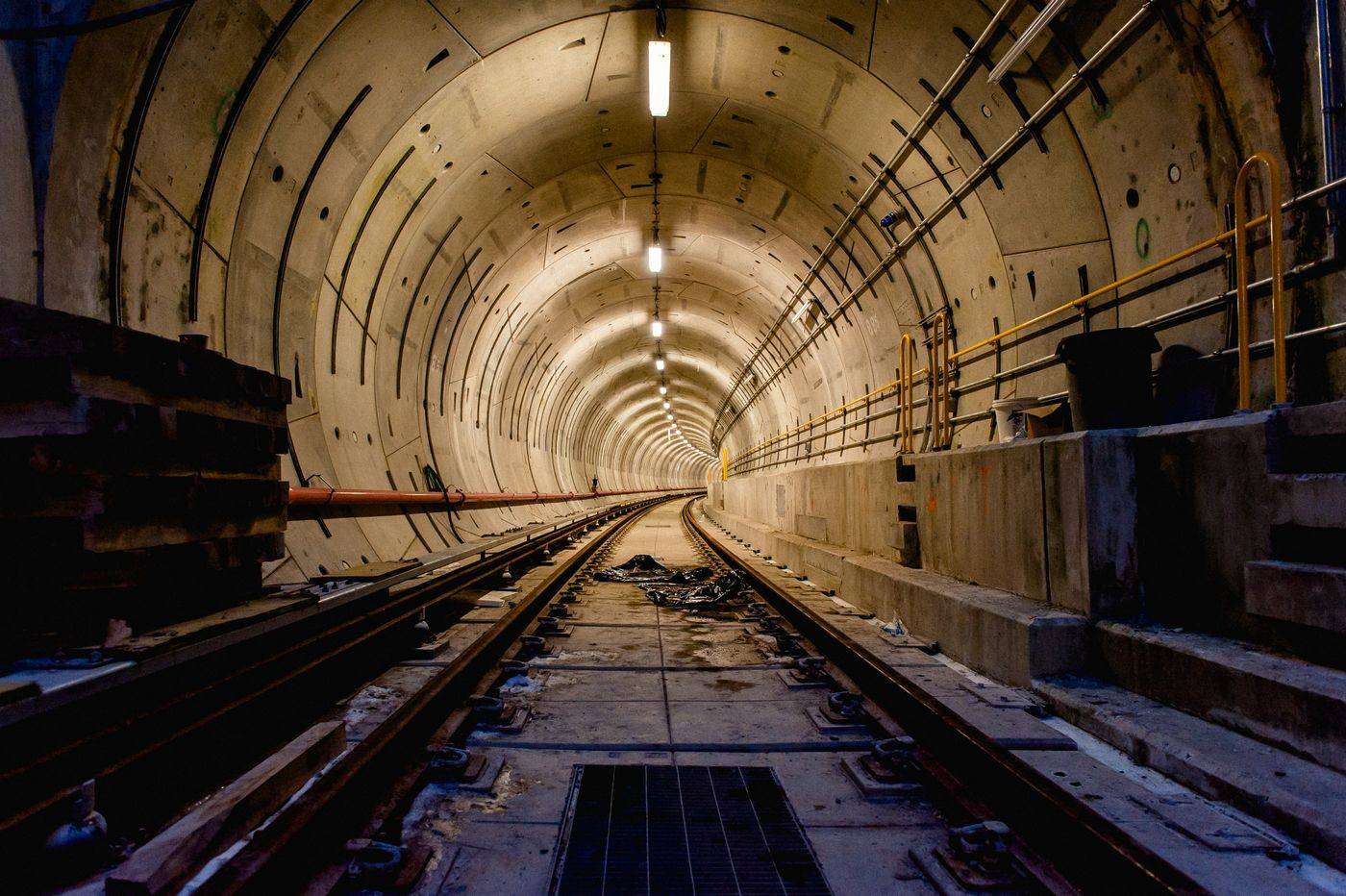 02Mined tunnelsI05-02 · Open evidence and annotated details →
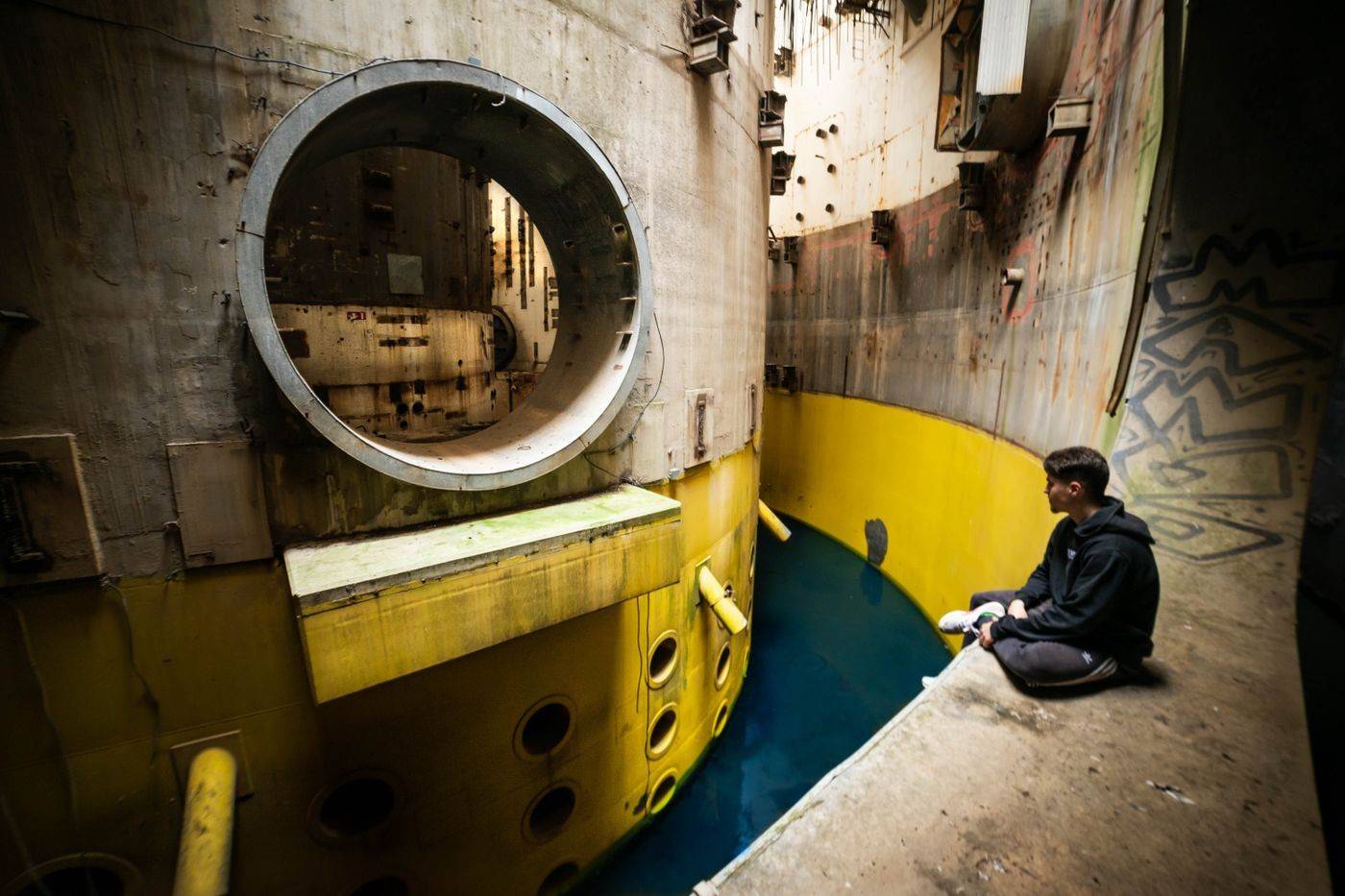 03Shield tunnelsI05-03 · Open evidence and annotated details →
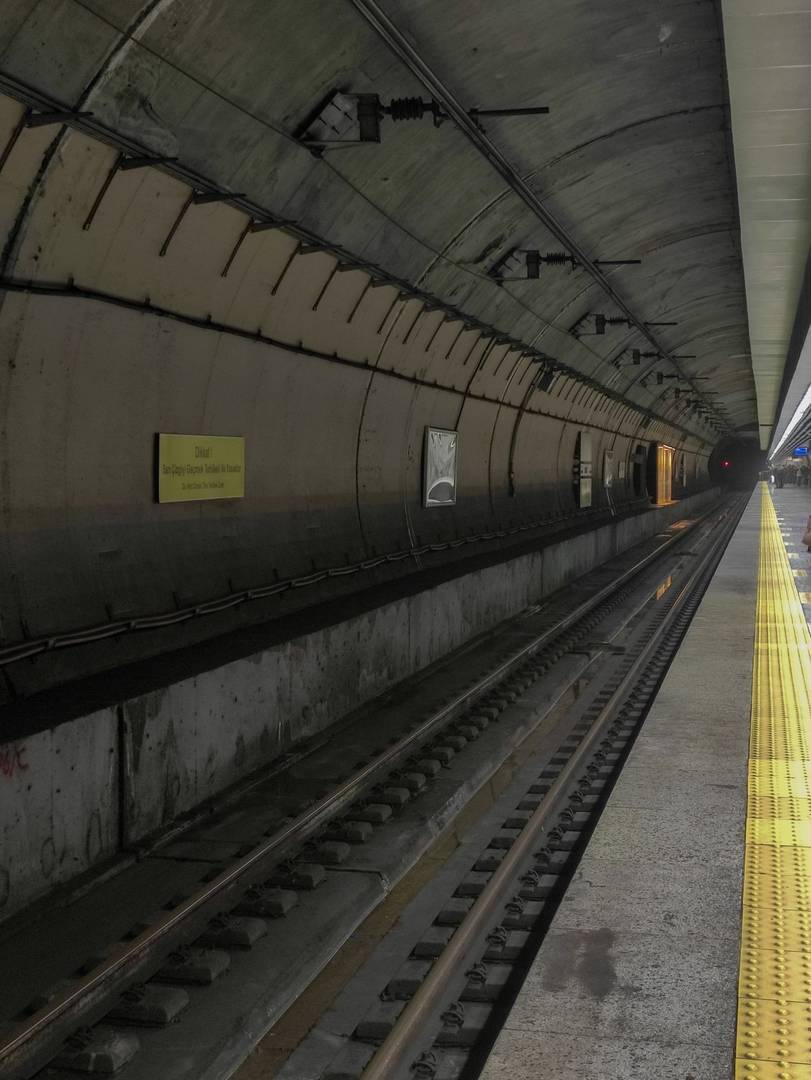 04Metro stationsI05-04 · Open evidence and annotated details →
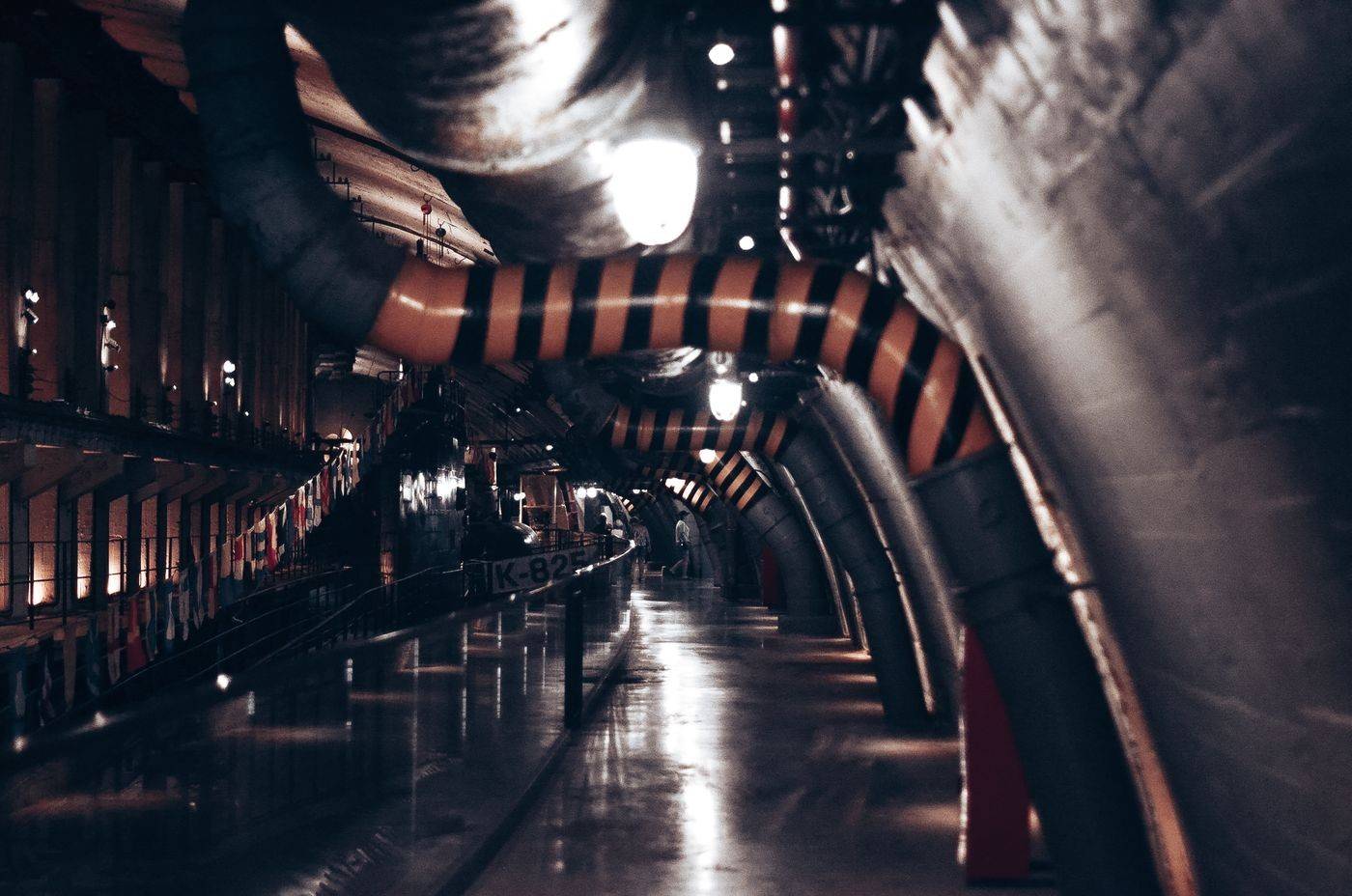 05Utility corridorsI05-05 · Open evidence and annotated details →
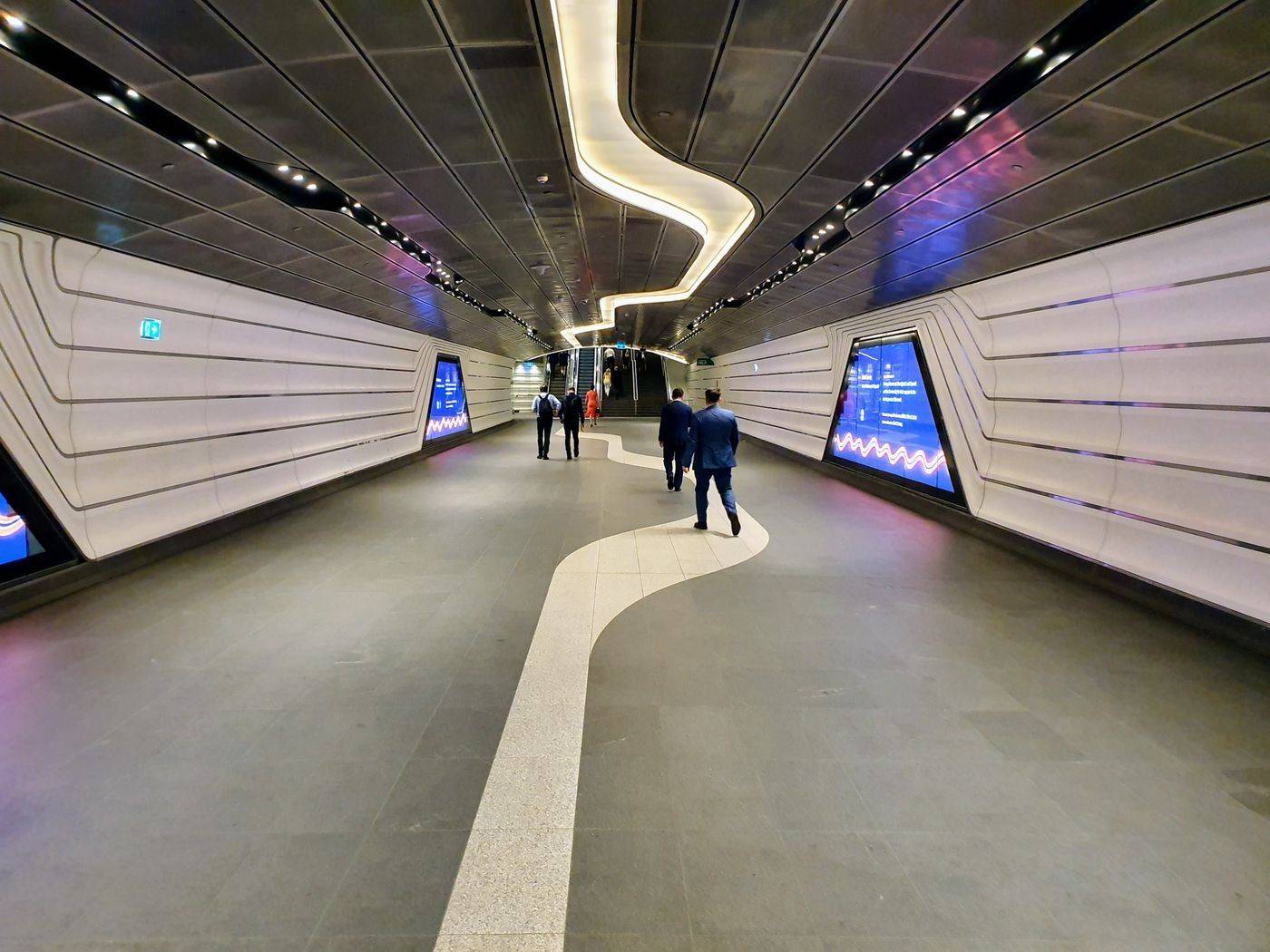 06Underground passages and roadsI05-06 · Open evidence and annotated details →
System Logic
Technical routes are connected to conditions
Each application context is connected to the technical routes that match its substrate, installation method, environmental exposure and detailing requirements.
Sheet membrane systems
Membrane continuity, compartments, termination and protection are coordinated with structural sequencing.
Spray-applied systems
Sprayed membranes are considered where geometry and substrate preparation can be controlled.
Segment and joint systems
Gaskets, waterstops, joint sealants and transition details address segment interfaces and penetrations.
Injection-ready repair provisions
Hoses, ports and accessible repair zones may be planned where future leakage risk justifies them.
System Build-Ups & Critical Details
Real application context connected to N/L annotated drawings
Every technical drawing is placed under its mapped application context. L labels identify construction layers; N labels identify critical details and interfaces. Final specifications remain project-specific.
I05-01 Application Context
Cut-and-cover tunnels
System build-ups and critical details
L-series labels identify build-up layers. N-series labels identify critical nodes and interfaces. Open a drawing to inspect both annotation systems.
I05-02 Application Context
Mined tunnels
System build-ups and critical details
L-series labels identify build-up layers. N-series labels identify critical nodes and interfaces. Open a drawing to inspect both annotation systems.
I05-03 Application Context
Shield tunnels
System build-ups and critical details
L-series labels identify build-up layers. N-series labels identify critical nodes and interfaces. Open a drawing to inspect both annotation systems.
I05-04 Application Context
Metro stations
System build-ups and critical details
L-series labels identify build-up layers. N-series labels identify critical nodes and interfaces. Open a drawing to inspect both annotation systems.
I05-05 Application Context
Utility corridors
System build-ups and critical details
L-series labels identify build-up layers. N-series labels identify critical nodes and interfaces. Open a drawing to inspect both annotation systems.
I05-06 Application Context
Underground passages and roads
System build-ups and critical details
L-series labels identify build-up layers. N-series labels identify critical nodes and interfaces. Open a drawing to inspect both annotation systems.
Visual Evidence
Application and project references
Project photographs document real construction conditions. Licensed reference photographs are labelled as context images, with AKWAX-delivered project evidence identified separately.
Decision Boundary
What must be confirmed before a route is fixed
A system proposal becomes meaningful only after these conditions are documented.
- Groundwater pressure and chemistry
- Structural movement and joint layout
- Construction method and sequence
- Access for inspection and repair
- Fire, durability and service-life requirements
Project Discussion