Inspect
Record symptoms, construction type, access, moisture pattern and operational constraints.

Lifecycle Waterproofing Solution
A lifecycle service framework applied across all seven systems. Leak path, pressure, substrate condition, access and required service life guide the repair strategy and material selection.
Seven Stages
The lifecycle solution connects investigation, diagnosis, design, repair, verification and maintenance as one coordinated service process.
Record symptoms, construction type, access, moisture pattern and operational constraints.
Separate water entry from visible damage and test the most likely pathways.
Control active leakage where necessary before permanent repair.
Treat local defects, joints, cracks and penetrations with compatible materials.
Renew the wider system when local repair cannot restore continuity or durability.
Use the inspection method appropriate to the system: visual checks, flood or spray testing, seam checks, thickness or adhesion testing.
Define inspection intervals, drainage cleaning, sealant review and future access.
Application Evidence
Select a stage to review its real application photograph and the mapped N/L technical drawings.
 01InspectionM08-01 · Open evidence and annotated details →
 02DiagnosisM08-02 · Open evidence and annotated details →
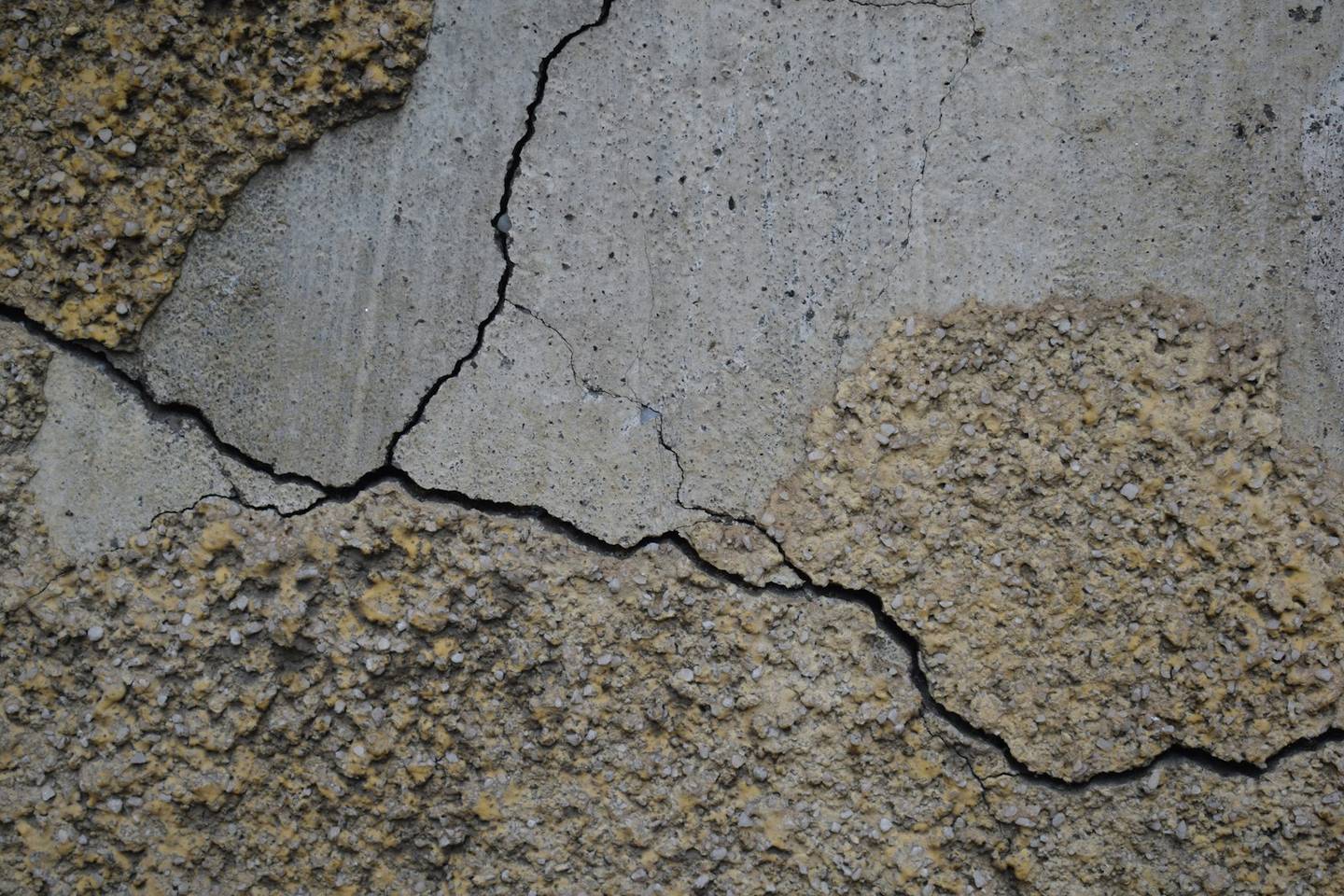 03Emergency water controlM08-03 · Open evidence and annotated details →
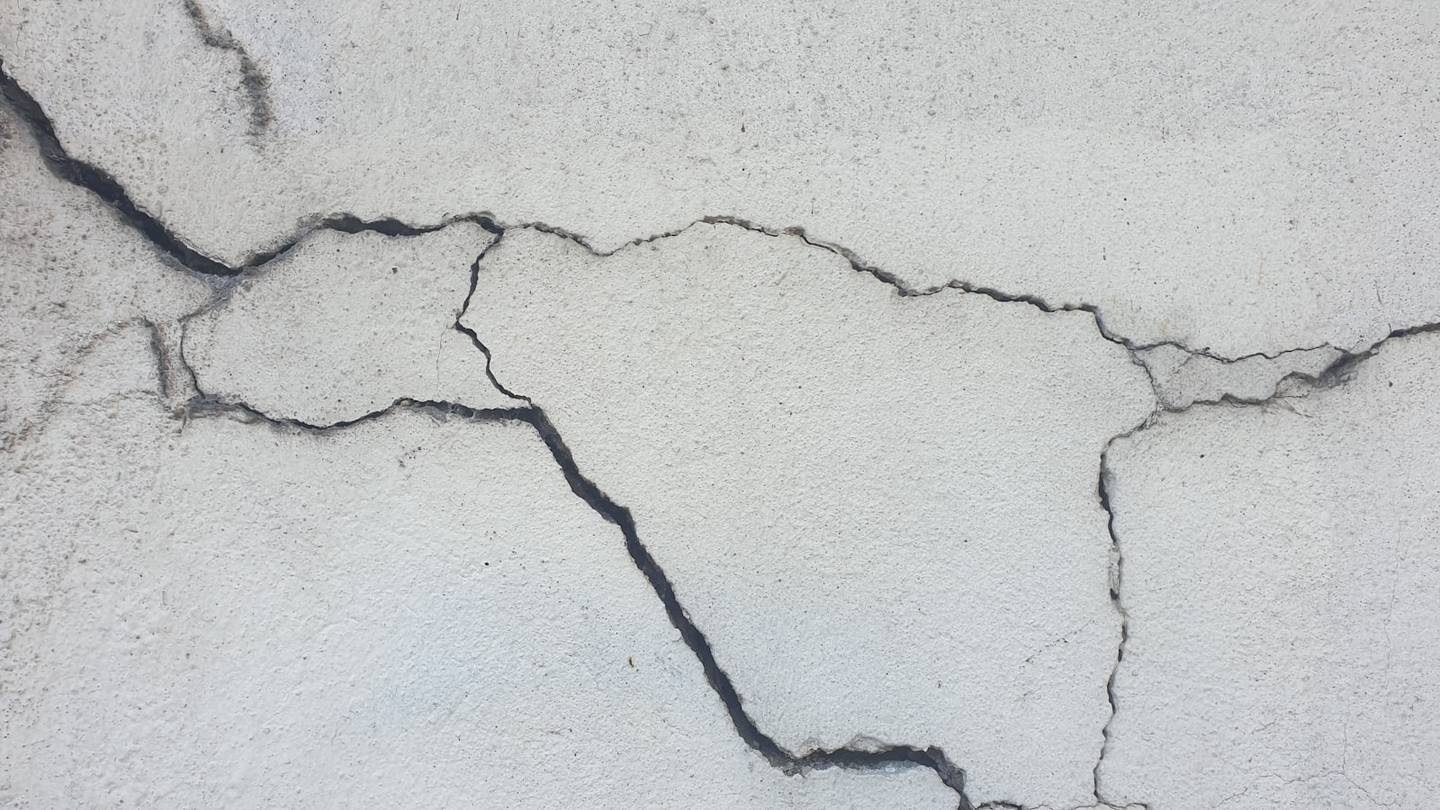 04Local repairM08-04 · Open evidence and annotated details →
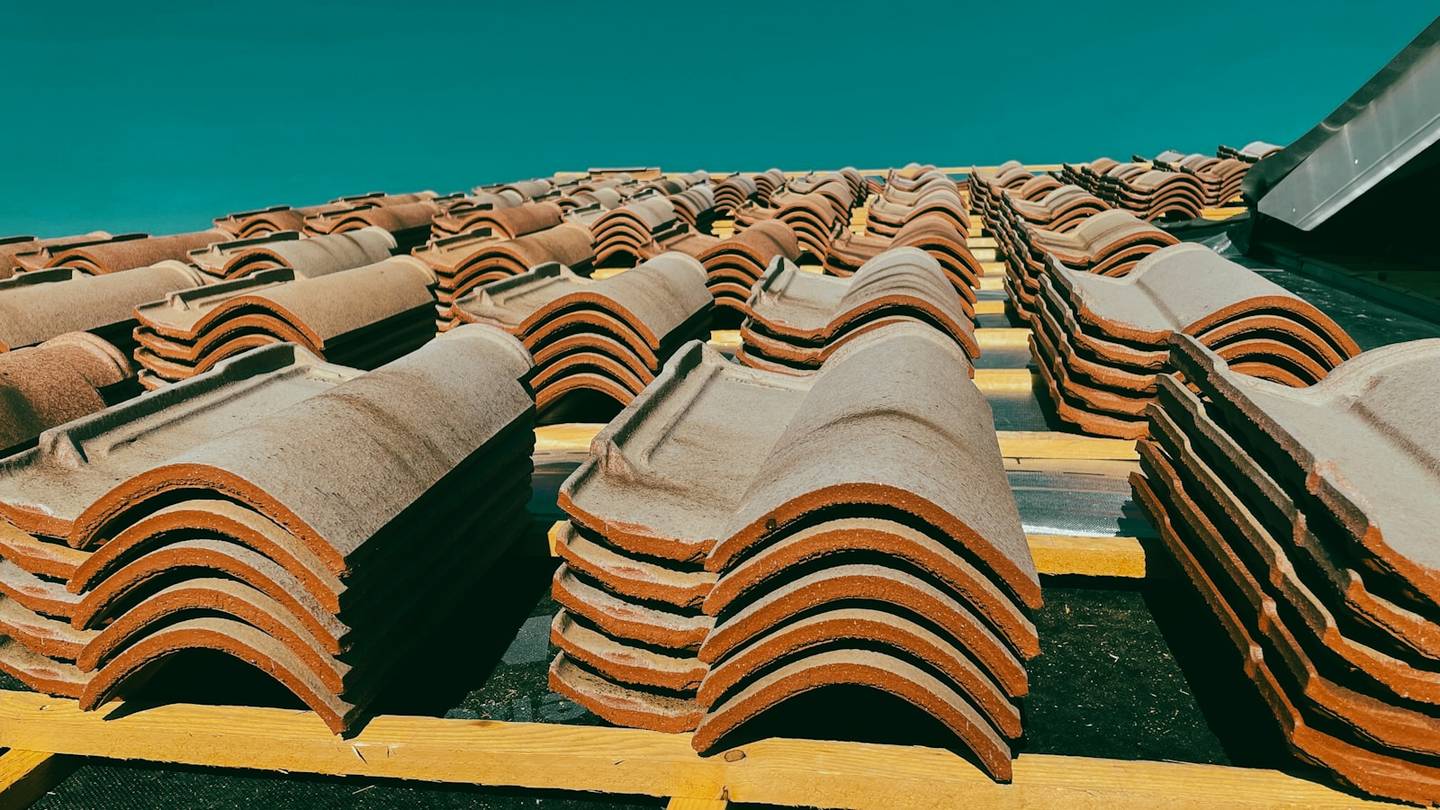 05Full refurbishmentM08-05 · Open evidence and annotated details →
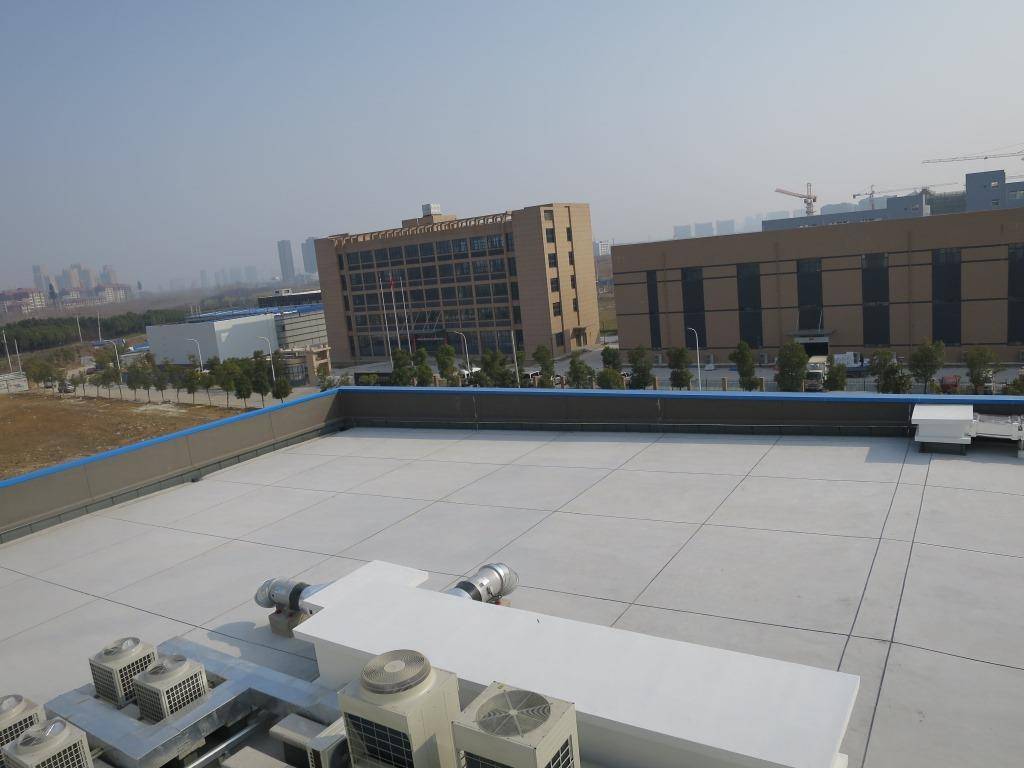 06Quality verificationM08-06 · Open evidence and annotated details →
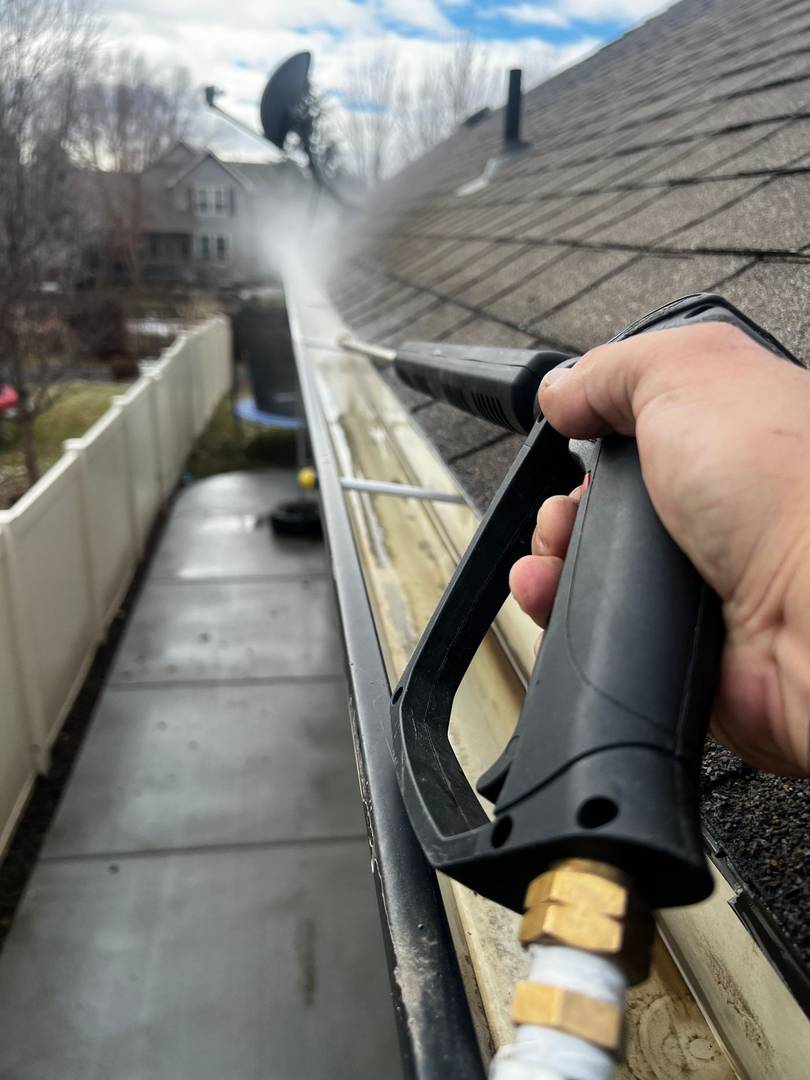 07Planned maintenanceM08-07 · Open evidence and annotated details →
Project Evidence
System Build-Ups & Critical Details
Every technical drawing is placed under its mapped application context. L labels identify construction layers; N labels identify critical details and interfaces. Final specifications remain project-specific.
M08-01 Application Context
L-series labels identify build-up layers. N-series labels identify critical nodes and interfaces. Open a drawing to inspect both annotation systems.
M08-02 Application Context
L-series labels identify build-up layers. N-series labels identify critical nodes and interfaces. Open a drawing to inspect both annotation systems.
M08-03 Application Context
L-series labels identify build-up layers. N-series labels identify critical nodes and interfaces. Open a drawing to inspect both annotation systems.
M08-04 Application Context
L-series labels identify build-up layers. N-series labels identify critical nodes and interfaces. Open a drawing to inspect both annotation systems.
M08-05 Application Context
L-series labels identify build-up layers. N-series labels identify critical nodes and interfaces. Open a drawing to inspect both annotation systems.
M08-06 Application Context
L-series labels identify build-up layers. N-series labels identify critical nodes and interfaces. Open a drawing to inspect both annotation systems.
M08-07 Application Context
L-series labels identify build-up layers. N-series labels identify critical nodes and interfaces. Open a drawing to inspect both annotation systems.
No generic drawing is assigned to this context. The detail package is prepared after the structure, exposure and interfaces are confirmed.
Responsibility Boundary
Design, substrate, drainage, installation, protection and operation can each control the final result. The warranty scope must follow the contracted responsibility.